This blog is dedicated to the technical terms, aspects and
functions of Nutrients which are required to be known for a healthy life.

Nutrients, the word is very familiar to us. You would have
heard this in various commercials or maybe seen printed on various products,
but what exactly it means? If you want to get all the insights of the products
you consume then follow until the end of this blog.
What are Nutrients?
The foods which we use daily include rice, wheat, dal,
vegetables, fruits, milk, eggs, fish, meat, sugar, butter, oils, etc. These
different foods are made up of some chemical components called
nutrients.
Based on chemical composition, nutrients are
classified into the following types
- Carbohydrates
- Fats
- Proteins
- Minerals
- Vitamins
- Water
Carbohydrates
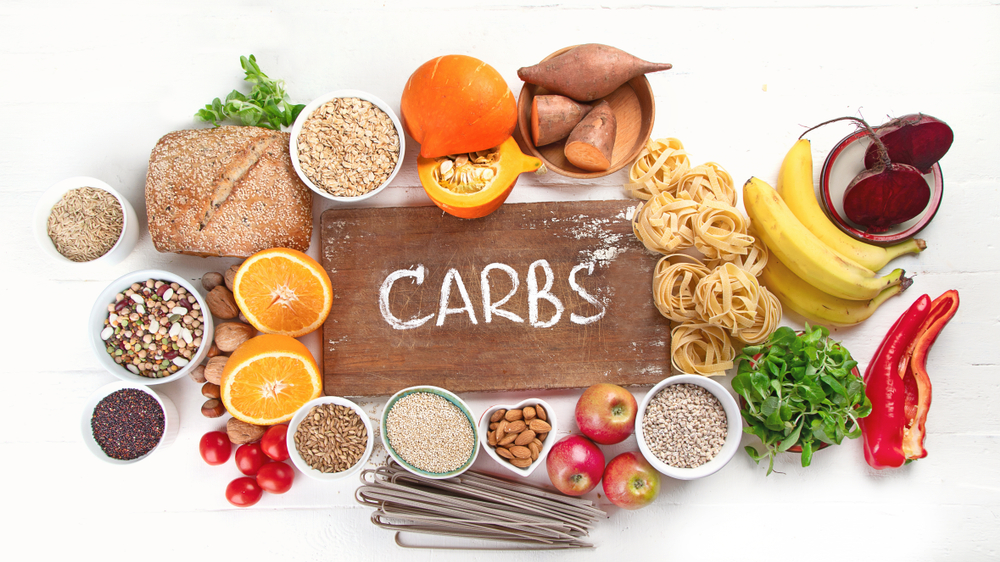
They
are the organic compounds occurring in foods and living tissues and include
sugars, starch, and cellulose. The chief function of carbohydrates
is to provide the energy needed by our body. Those not used immediately for this
purpose are stored as glycogen or converted to fat and stored.
Examples
Potato, rice, bread, sugary drinks like fruit juice and
wheat, etc.
Fats

Fats are concentrated sources of energy, carriers of fat-soluble vitamins and a source of essential fatty acids. Fat also provides
energy to our body more than carbohydrates. If excess fats are taken in the
diet, these are stored as fat reserves in the body and can cause high cholesterol
levels and heart disease.
Examples
Cheese, butter, oil, ghee and cream, etc.
Protein

The main function of protein is the building of new tissues
and maintaining and repair of those already built. Synthesis of regulatory and
protective substances such as enzymes, hormones and antibodies is also a
function of food proteins. About 10 per cent of the total energy is supplied by
proteins in the diet. Protein, when taken more than the body’s need, is
converted to carbohydrates and fats and is stored in the body.
Example
Egg, meat, fish, dal and milk, etc.
Minerals
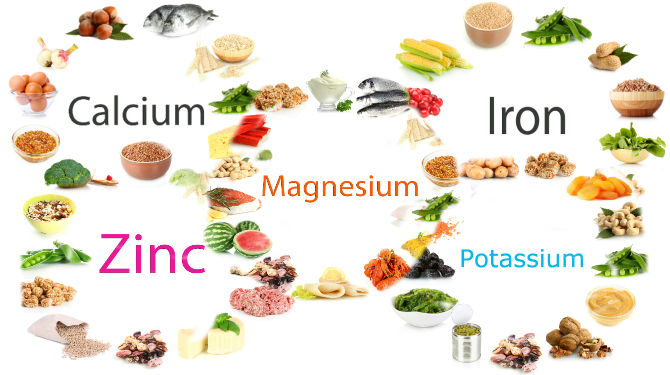
Minerals are needed in traces but they are an essential
component of the diet as well, they are necessary for body-building, for the building of bones, teeth and structural parts of soft tissues. They also play a
role in the regulation of processes in the body, e.g., muscle contraction, clotting
of blood, nerve stimuli, etc.
Example
Calcium, magnesium, iron, zinc, and phosphorus, etc
Vitamins

These are needed for growth, normal function of the body and
normal body processes. There are two types of vitamins found in food water-soluble which are vitamin B and C and the fat-soluble vitamins are A, D, E and K.
Example
Vitamins A, B, D, E, K
Water

We get water in foods we eat and a major part from
the water we drink as such and as beverages. Water is an essential part of our
body structure and it accounts for about 60 per cent of our body weight. Water
is essential for the utilization of food material in the body and also for the elimination of food waste. It is a regulator of body processes such as
maintenance of body temperature.
All individuals need the same nutrients for the same body
function. The only variation is in the amounts of each nutrient required
according to age, size, activity, etc. For example, all persons need energy for
work, but a man, who carries loads, may need more energy than a man, who works
in an office at a desk job. So choose your diet wisely.
Comments
Post a Comment